Sunday Inspiration: Sunday, December 8, 2024

The Wonder of The Season: The Wonder of the Refiner Fire

Malachi 3: 1 – 4

 “In those days, John the Baptist appeared in the wilderness of Judea” – Matthew 3:1 is how the scriptures begin the story of John the Baptist. In those days, the story tells of John in the wilderness by the Jordan River. In those days, Rome was robbing people of their identity, the days when the voice of God had been silenced, the days when oppression came from religious and political leaders, and the days when the people longed to be reminded that they were God’s people. 

In those days, John the Baptist appears in the wilderness of Judea, a prophet proclaiming a message of new beginnings, a messenger speaking new life into the wilderness. 

When we thought the messenger would be found through a best-selling author on the top shelf of the self-help section or the words of a well-dressed salesman of religion, God sends a man dressed in camel hair who likes to snack on grasshoppers dipped in wild honey. His message is as unsettling as his appearance, “Repent, for the kingdom of heaven has come near” – Matthew 3: 2.

His message of repentance was for everyone. It was for those who were certain in their religion, the ones struggling with who they were, and those who knew they needed a fresh start. The message is clear, “Repent and bear fruit.” Don’t just say you are sorry; show it. Don’t just acknowledge your sins; walk away from them. Repent means turn. It means to live your life in a different direction.

In telling the story of John the Baptist, the Gospel writers reflected four hundred years to another prophet. The Lord speaks through Malachi, the prophet, and says, “I am sending my messenger to prepare the way before me” – Malachi 3:1. Malachi proclaims that a holy messenger is on the way. His announcement brings with it both a promise and a word of warning. Judgment is coming. 

Last week, Jeremiah spoke to Israelites who were being dragged into exile. This week, Malachi is speaking one hundred years after the exile to people who have settled back in the land and are rebuilding their lives. But as they return, they are bringing with them their old ways. The people are mistreating one another, they are neglecting their faith, and they are committing injustice toward the weak and vulnerable. 

The problem is they blame others. It is someone else’s fault. They even blame God. Finally, the prophet says, “You have wearied the Lord with your words” – Malachi 2:17.

I grew up with two younger brothers. I know what it is to blame others. One time, as kids, we were outside messing around, and one brother said something another brother didn’t like, and rocks started flying. We were throwing rocks at one another. One ducked, and a rock went through a dining room window. 

When our mother came outside to see who was responsible, we all played the blame game. He made me mad, he threw it first, or he made me do it.

If we are honest, we can admit that the tendency to shift blame doesn’t disappear as we age. We are still quick to blame others for the troubles we find ourselves in.  As children, we might say, “It wasn’t my fault!” to escape punishment. As adults, we refine this approach, using phrases like, “If only they had done their part,” or “It’s not my responsibility.” In relationships, the blame game erodes trust and intimacy. In society, blame fosters division.

In Malachi’s day, the people were calling for the Lord to return and make things right, but they blamed the wrong on other people. Malachi says in the scripture before us, “Be careful what you ask for.” “Who can endure the day of his coming, and who can stand when he appears?” – Malachi 3: 2. It is easy to call for justice when we think the problems around us are the faults of others. It’s easy to demand justice when we believe the problems are someone else’s fault.

God is coming in judgment, but when God does, God is handing us a mirror and inviting us to look at ourselves. We are the ones who are going to be refined. We are the ones in need of refining. Malachi says, “The Lord is coming; we will not be left unchanged.” There will be no more playing the blame game when the Lord returns. 

The return will be like being put through a purification cycle or handing a piece of lye soap and scrubbed down until nothing impure is left on us.

Another story of my childhood includes playing in the woods and getting covered in chiggers. My mom would make us strip down naked outside and scrub our skin with this lye soap to wash the little bugs off our skin. It will be harsh. It will be painful. It will be inconvenient. It will be life-altering. I promise no one was left unchanged. We were clean. 

God’s judgment is for restoration. God’s purpose in judgment is not to break us but to shape us into people who reflect God’s peace in the world. The goal is that the divine image in us may be reflected in the human heart.  The wonder of the refiners’ fire is that each of us may reflect the image of God. 

In Malachi’s time, the people blamed everyone else for their troubles. We do the same. We blame the world, our neighbors, and even God. It’s easier that way. But God’s work begins when we stop. It starts when we face the truth, take the blame we’ve been throwing, and hold it in our hands. Only then can the refining begin. Only then can the broken pieces start to mend.

Advent is a season of authentic preparation for the coming of Jesus. Part of that preparation involves Stop Blaming and Look in the Mirror. Advent calls us to step away from the blame game. What brokenness in your life needs refining? Is it bitterness? Pride? A relationship in need of healing? God’s work begins when we stop pointing fingers and instead ask, “Lord, what in me needs refining?”

Last week, I asked, “In what area of your life do you need to reclaim hope?” If I had to guess, it was an area that involves blaming others for the trouble you are experiencing. 

God’s refining fire is not meant to destroy us but to restore us. To burn away all that keeps us from reflecting His image, peace, and love.

And as we are refined, we are also called to reflect that peace in the world. To bear the fruit of repentance—not just words, but actions that bring healing, reconciliation, and love. Who in your life needs to see the peace of Christ in you?

This Advent, let the refining begin. Instead of waiting passively, engage in the work of preparation. Reflect on your life, turn from what holds you back, and let God’s refining fire transform you. When Christ comes, may He find in us hearts ready to receive His peace and lives that reflect His love.

Pastor Jamey

(Click Here to Watch the Worship Service from Gainesville First United Methodist Church, Gainesville, Georgia)


Questions to Consider:

  1. What areas of your life feel like they need refining or purification? How can you allow God to start that work in you?
  2. Are there situations in your life where you find yourself blaming others? How can you take responsibility and invite God to work on those areas instead?
  3. If God handed you a spiritual mirror, what would you see that needs to be refined? What steps will you take to address those areas?
  4. How does understanding that God’s judgment is for restoration, not destruction, shape your view of His refining work in your life?

Prayer:

Gracious God, help us to stop blaming others for the brokenness in our lives and in the world. Instead, give us the courage to look in the mirror and see where we need Your healing touch. We surrender our pride, our bitterness, our fear, and anything else that keeps us from reflecting Your image. Amen.


Benediction:

As you reflect on your life, may you have the courage to look in the mirror, let go of blame, and invite God’s refining fire to cleanse and restore you. Amen.


Sunday Inspiration: Sunday, December 1, 2024

The Wonder of Advent: The Wonder of Hope

Jeremiah 33: 14 – 16

”Behold, the days come, saith the Lord,” says the King James Version of the beginning of Jeremiah 33. “Behold, the days come, saith the Lord….” The word “Behold” is fun to say. Look to your neighbor and say, “Behold!” 

When John the Baptist saw Jesus walking out in the desert along the Jordan where John was baptizing, he said, “Behold the Lamb of God, which taketh away the sin of the world” – John 1: 29. And the next day when he sees Jesus again, he says, “Behold the Lamb of God!” – John 1: 36. “Behold,” was enough to convince John’s followers to start following Jesus. 

In the Book of Revelation, Jesus says to the seven Churches, “Behold, I stand at the door, and knock: if any man hear my voice, and open the door, I will come in to him, and will sup with him, and he with me” – Revelation 3: 21. Behold, Jesus is constantly knocking and anyone that opens the door, Jesus will come in and be with them.

 The story is told of one of those children’s Christmas pageants. One little girl was supposed to deliver the angel’s message, “Behold, I bring you good tidings of great joy.” Except, she couldn’t get past the first word. She forgot her lines. So she just said “Behold!” over and over again. With every “Behold,” she kept the audience on alert to what would happen next.

“Behold…..Behold…..Behold,” Was there going to be good tidings of great joy or not? 

The word “Behold” invites us to pause, reflect, and pay attention to the significant moments in our lives, especially where God is at work. Behold encourages us to not just hear but also perceive or comprehend deeply. “Behold” is like a spiritual highlighter. It signals that what is about to be said or shown is important and deserves full attention. It is like when the world is falling apart, and we don’t see a way out, the Prophet of God suddenly shows up and says, “Behold, the days come, saith the Lord.” 

Jeremiah, the weeping prophet, turns into Jeremiah, the prophet of hope, for a people in despair. The armies of Nebuchadnezzar, king of Babylon, are advancing on Jerusalem. The streets will soon be filled with the corpses of her people. Jeremiah’s message is a warning to his people of the impending judgment of God due to Judah’s unfaithfulness to the covenant and the social injustices they have acted upon one another. 

The unfaithfulness of Judah has opened the door to the forces of death, destruction, and chaos. The tragedy of the Babylonian exile is the end of the Davidic dynasty. For nearly four hundred years, descendants of David had occupied the throne of David. The Lord promised David through the prophet Nathan, “Your house and your kingdom will endure forever before me; your throne will be established forever” – 2 Samuel 7:16. Babylon will destroy David’s city, burn down Solomon’s temple, and take the heirs to the throne into exile. The promises of God appear to be coming to an end. 

Some of you know what it is like to question God’s promises. The person who has lost everything they have worked for in foreclosure knows the despair of broken dreams. Someone who struggles with chronic illness can doubt God’s concern for the suffering. A parent whose prayers go unanswered for their prodigal son or daughter feels God ignores them. Someone pursuing a dream opportunity keeps getting let down and feels they will never get a chance to prove themselves. A widow sitting in loneliness feels forgotten, a child who is abused, or a spouse who is cheated on all feel that God has walked out on them. Someone who has strayed from their faith wonders if they’ve disqualified themselves from God’s grace. 

What do we do when it feels like God’s promises in our lives are ending? Listen for the word “Behold!” Behold, the days come, saith the Lord, is a sign that God is about to do something new. 

In the darkness, a light breaks in. In despair, hope erupts. Jeremiah says that new life is springing up from what looks like a dead stump. God assures God’s people that they are not forgotten. The promise of a “righteous branch” from David’s line points to a future leader who will embody justice and righteousness. It is a message that foreshadows the coming Messiah, the ultimate fulfillment of God’s promise. 

As we begin this Advent season, “Behold” is the word that draws us into the mystery of what God is doing. It invites us to pause, pay attention, and open our hearts to God’s promises. Advent reminds us that God is always at work, fulfilling His promises even in our waiting, our struggles, and our doubts.

We begin Advent with a word of hope. It is a time to behold the promises of God, even when life feels uncertain or broken. Jeremiah’s words to a people in exile remind us that God is always at work, even when His promises seem distant. The promise of a righteous Branch, a Savior, was fulfilled in Jesus, the Messiah, and it reminds us today that God’s hope is never extinguished.

Jeremiah spoke to a people whose world was falling apart, yet he pointed to a future where justice, righteousness, and peace would reign. Jesus is the fulfillment of that promise. His birth, life, death, and resurrection prove God’s faithfulness does not falter.

We, too, can behold this promise in the face of our despair. Advent invites us to see that hope has already come in Jesus and is still coming as we await His return. 

As we begin this season of Advent, I ask you to reflect on the question, “In what areas of your life do you need to reclaim hope?” Put a name to the situation in your life where you need hope. Put a name to a situation that has you on the edge of despair. 

As we begin this Advent season, we are reminded that hope is not just a concept—it is a person. Hope has a name, and His name is Jesus. Jesus is the light that breaks into our darkness, the Savior who meets us in our despair, and the King who reigns with justice and righteousness. 

Today, you may be carrying hopeless situations—brokenness, pain, or unanswered questions. But Advent declares this truth: God’s promises never fail. Just as the people of Judah were not forgotten, neither are you. The same God who sent Jesus into the world to bring salvation is here now, ready to meet you, to restore you, and to give you hope.

“Behold, Jesus says, “I stand at the door and knock. I will come in if anyone hears my voice and opens the door to their life.” Jesus is inviting you to let Him in—to bring Him your doubts, your fears, and your broken dreams. He offers you His presence, His peace, and the promise of new life. The question is: Will you open the door?

As we prepare to take Communion, this is your moment to behold the Lamb of God who takes away the sin of the world. Behold, a table set with food paid for with the ultimate cost – the life of Jesus. It is out of his brokenness that we are given life, and out of his life that was poured out, that we have a new beginning. 

Behold, the Savior has come, is coming, and is here with us today—and He is here for you. Amen.

Pastor Jamey

(Click Here to Watch the Worship Service from Gainesville First United Methodist Church, Gainesville, Georgia)


Questions to Consider:

  1. When you face fear or uncertainty, how do you remind yourself of the peace and security found in Christ? How can you share this peace with others around you?
  2. Can you share a time when you saw God fulfill a promise in your life or someone else’s? How does this impact your trust in God for the future?
  3. When you examine your daily actions and decisions, do you feel they reflect Christ’s justice and righteousness? Where do you see opportunities to grow in aligning with His character?

Prayer:

Lord, as we journey through Advent, may we walk as people of hope, proclaiming Your promises and sharing the light of Christ with the world. Be glorified in our lives as we commit ourselves to You today. In the name of Jesus, our Savior and King, we pray. Amen.


Benediction:

Go now into this season of Advent with hearts full of hope. Behold the promises of God, for they are sure and steadfast. While waiting, trust that the light of Christ is breaking into your darkness. Amen.

Sunday Inspiration: Sunday, November 24, 2024

Jesus Invites Himself

Luke 19: 1 – 10

Imagine you’re relaxing at home, you have prepared a nice meal for your family, and someone unexpectedly knocks on your door, announcing, “I’m having dinner with you tonight!” 

Most of us would find that incredibly rude. Uninvited guests can disrupt our plans, challenge our boundaries, and leave us scrambling to accommodate.

Jesus invites himself to the home of a tree-climbing tax collector. 

Jesus is traveling through Jericho. A man named Zacchaeus comes out to see Jesus. Zacchaeus is a ruler among the tax collectors. He is the person at the top of the pyramid scheme. He collects money from the people who collect money from his people. He isn’t the town’s favorite. He is hated. He gets rich off of other people’s poverty. 

He was also short. Determined to see Jesus, he climbs a tree. The story is comical—a guy in a sycamore tree. Jesus stops in the exact spot and looks up. If one person in a crowd looks up, we usually all look to see what he is looking at. I imagine all eyes are now on Zacchaeus. How embarrassing. So, Zacchaeus comes down. 

Jesus invites himself to Zacchaeus’s home, and we are told that Zacchaeus is “happy to welcome Jesus” (Luke 19:6). 

No one else was happy. The crowd grumbled. There were plenty of good people for Jesus to share lunch with. Why go to the home of a cheater like Zacchaeus? 

The visit was life-changing for Zacchaeus. He says, “Look, Lord, I give half of my possessions to the poor. And if I have cheated anyone, I repay them four times as much” (Luke 19:8). 

I had a grandmother who taught the Zacchaeus story using a flannel board. Imagine a tree, a short-stature character, and a character representing Jesus. My grandmother would start the lesson by quoting the Children’s song, “Zacchaeus was a wee little man and a wee little man was he.” She would put Zacchaeus in the tree, and she would have Jesus walk underneath the tree. 

In the retelling of the story she would tell of Zaccahaeus’ determination to do whatever it took to see Jesus. Despite the crowd and his physical limitations, Zacchaeus made an extra effort to see Jesus. Jesus awards Zacchaeus for his effort by having dinner at his house. 

On the flannel board at a distance was a house, and my grandmother would have Zacchaeus come out of the tree, and he and Jesus would go to the house for dinner. 

The encounter with Jesus changed Zacchaeus, and Zacchaeus, the hated tax collector, says, “Look, half of my possessions, Lord, I will give to the poor, and if I have defrauded anyone of anything, I will pay back four times as much” (Luke 19: 8). 

Meeting Jesus became a life-changing experience, and my grandmother would tell the kids sitting in a circle, “If you ask Jesus in your heart, your life can be changed today, too.” 

But let’s hear the story again, a little slower. After Jesus had invited himself to the home of Zacchaeus, the scripture says Zacchaeus “Hurried down and was happy to welcome him. All who saw it began to grumble and said, “He has gone to be the guest of one who is a sinner.”  Zacchaeus stood there and said to the Lord, ‘Look, half of my possessions, Lord, I will give to the poor, and if I have defrauded anyone of anything, I will pay back four times as much’”(Luke 19: 6 – 8).

The tax collector Zacchaeus was excited to have Jesus as a dinner guest. The crowd was not happy. They criticized Jesus for eating with sinners. In front of the crowd, Zacchaeus spoke to Jesus about giving money to the poor and making restitution for anyone he had possibly cheated.  

Depending on what translation you read determines how you interpret the text. My translation implies that Zacchaeus will give back or make good based on his encounter with Jesus. However, other translations imply that this is already who Zacchaeus is. He gives to the poor and pays back four times if someone is cheated. The original Greek text gives us no reason to add the words “I will” Or “I am going to.” The Greek text implies that Zacchaeus is a person who is generous and fair all along. 

The text doesn’t say anywhere that Zacchaeus is a sinful person or that he is remorseful or repentant. It says he is short. It says he is wealthy. It says he is a tax collector. Only the agitated crowd says he is a sinner. If they want to call him a sinner and someone who has lost his way, Jesus says, “The Son of Man came to seek out and to save the lost” (Luke 19:10). Jesus even implies that the man is no different than the crowd when he says of Zacchaeus, “He, too, is a son of Abraham” (Luke 19: 9). 

Could it be that Zacchaeus is a tax collector who is fair in his dealings with people and even goes over and beyond to ensure people are treated fairly? But because of their prejudices and judgments, the crowd only sees a sinner. If so, Jesus encourages Zacchaeus and rebukes the crowd when he says, “Today salvation has come to this house” (Luke 19:9). 

Oh, and what does the name Zacchaeus mean? It means “pure” or “innocent.” 

The crowd saw a sinner. Jesus saw a determined man who deserved to be recognized and have his name called. Because he responded, Zacchaeus’ encounter with Jesus becomes an encounter with grace. 

Baptist preacher and Sociologist Dr. Tony Campolo, who recently passed away, once asked, “What do you reckon Jesus would have said to that prostitute?” He asked the question while looking out the window of his downtown Philadephia to a classroom full of interfaith students.

A Jewish student responded looking out the same window, “Jesus would never see that prostitute.” Campolo began to suggest that Jesus related to prostitutes in scripture. The Jewish man interrupted and said, “Dr. Campolo, you didn’t hear me…..Jesus never saw a prostitute.” Campolo responded to situations from the Gospels. Again, the man replied, “You are not listening to me. Jesus never saw a prostitute.” 

Suddenly, Campolo understood. When Jesus looked at someone, he looked beyond their situation, and he looked beyond their perceptions of themselves and beyond society’s judgment. Jesus saw the whole person. 

“Zacchaeus, hurry and come down, for I must stay at your house today.” So he hurried down and was happy to welcome him (Luke 19: 5 -6).

Jesus didn’t just see Zacchaeus; he called him by name and stepped into his life. He invited himself into Zacchaeus’s home, creating space for grace to work. What if we did the same?

This week, ask God to help you see people as Jesus sees them—not defined by their past, their mistakes, or their reputation, but as children of God, worthy of love and redemption. Then take a step: extend kindness, build a bridge, or reach out to someone you’ve overlooked.Will you be like the crowd, stuck in judgment, or will you be like Jesus, stepping into grace? The choice is yours.

Pastor Jamey

(Click Here to Watch the Worship Service from Gainesville First United Methodist Church, Gainesville, Georgia)

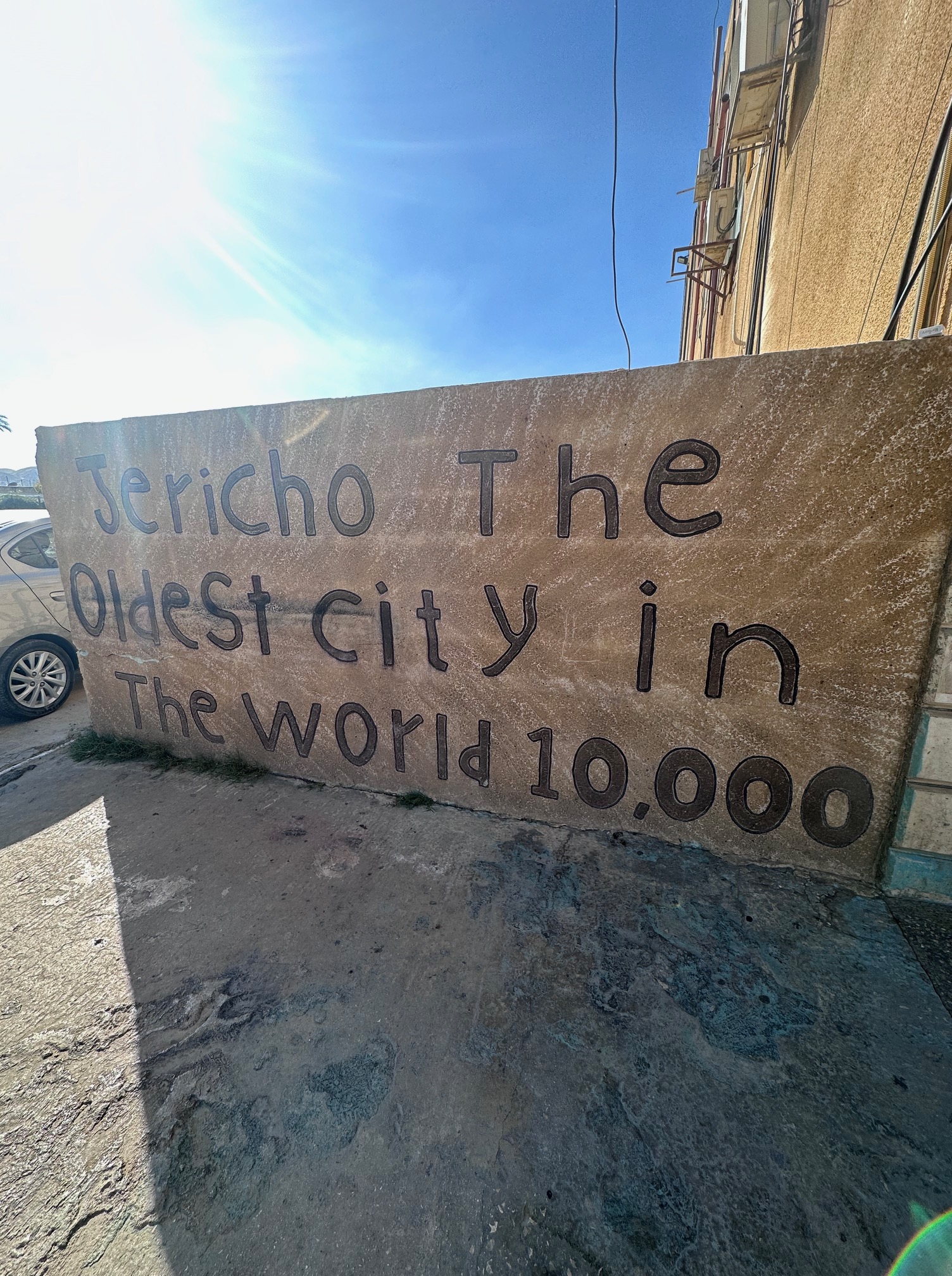
The photo I took while in Jericho in 2021

Questions to Consider:

  1. How did the crowd’s perception of Zacchaeus differ from Jesus’ perception of him? What does this tell us about how we view others?
  2. Why do you think Zacchaeus was eager to welcome Jesus into his home despite the crowd’s judgment?
  3. The crowd grumbled about Jesus going to the home of a “sinner.” In what ways do we sometimes grumble about grace being extended to others?
  4. How can we, as a church and as individuals, create opportunities for others to encounter grace, even those who might be labeled or judged by society?
The photo I took while in Jericho in 2021

Prayer:

Lord Jesus, Today, we dedicate ourselves to seeing as you see—not with eyes clouded by judgment but with hearts filled with grace. Help us to look beyond labels and assumptions and recognize the worth and dignity of every person as a child of God. Amen.


Benediction:

Go now with eyes open to see others as Jesus sees them, with hearts ready to extend grace and hands willing to serve.


The photo I took while in Jericho in 2021

The crowd saw a sinner. Jesus saw a man eager to encounter grace. Who are we overlooking today? #SeeAsJesusSees #LoveBeyondLabels

Jesus didn’t wait for an invitation—He stepped into Zacchaeus’ life with grace. Let’s follow His lead and bring love where it’s needed most. #BeLikeJesus #ExtendGrace

The name Zacchaeus means ‘pure’ or ‘innocent.’ Sometimes, grace calls us to see people as God intended, not as the world labels them. #RedemptiveLove #GraceTransforms

Sunday Inspiration: Sunday, November 10, 2024

An Uncomfortable Dinner

Luke 7: 36 – 50

Do you ever look at someone and see only what you want to see? Do you draw lines, put people in boxes, and keep them there because it feels easier? Safe? 

Imagine yourself at a table, your dinner party, watching a stranger walk in. You don’t know her or his story, only that they are not like you. Do you make space for them? Or do you keep them at a distance, thinking they don’t belong?

Are you so sure of your own place at the table that you forget to make room for someone else?

Simon throws a party. I don’t like Simon. He is arrogant, rude, self-righteous, and judgmental. I like watching Jesus make Simon squirm and put his judgmental self in his place. “The one who is forgiven little loves little,” Jesus says (Luke 7: 47). 

I like watching Simon’s face go red and seeing him embarrassed and humiliated until I realize that Jesus has gotten me. I am no better than Simon. I am Simom. 

It doesn’t take me very long to realize that my judgmental and critical spirit has kept a person like the sinful woman away from the table of grace with the resources to restore her. What she needs is a community that understands forgiveness.  

“Do you see this woman?” (Luke 7:44). There is a cost to seeing. It will force us to realize things about ourselves that we would rather not see.

Of course, Simon sees her. He has been judging the woman since she walked in. She is an embarrassment to his dinner party. 

He isn’t blind. He’s filled with judgment. And yet, the judgment is making him blind. He doesn’t see her humanity, extravagant generosity, or capacity to show love. He doesn’t see her as forgiven. He only sees her as an object of his judgment. 

The woman walks away, hearing the words, “Your sins are forgiven….Your faith has saved you. Go in peace.” 

We don’t know what Simon walks away hearing. He drops out of the story. Has he changed? 

There is a little Simon in all of us. So, you tell me, how do you see the woman?  

The one who is forgiven little loves little. 

What if we invested as much in welcoming others to the table as we do in judging people like Simon.? Imagine the difference our world would be. 

There will be a time in your life when a woman like the one in our story comes along and simply says no to those who try to keep her away. She will say no to those who try to push her out when she walks in the room. She will refuse to settle for those who refuse to give her a seat at the table. She will ignore those who judge her instead of loving her. 

She will say no because she has already heard Jesus say yes to her. She has heard the words of forgiveness, which have empowered her and given her back her identity and self-esteem. 

And now she is ready to say, “Thank you!” She is ready to show her gratitude. 

What if we were the community where the forgiven gather to say, “Thank you,” and the ones longing for forgiveness hear the words, “You are forgiven?” Imagine being a church—not just any church, but one where grace has replaced judgment.  

Imagine a church where Jesus was our guest, and we welcomed as his guests all whom he invited. 

An old rabbi was once asked by his students how they could tell when the night had ended and the day had begun. “Could it be,” asked one of his students, “when you see an animal in the distance and can tell whether it is a sheep or a dog?” “No,” said the rabbi. 

Another asked, “Is it when you can look at a tree in the distance and tell whether it’s a fig tree or a peach tree?” “No,” replied the rabbi. 

“Then when is it,” the students insisted. “It is when you can look on the face of any man or woman and see that it is your brother or your sister. Because if you cannot see this, it is still night.” 

The one who is forgiven little loves little. Let us love deeply because we have been forgiven wide. 

Based on Tuesday’s actions at the polls, we are in a different place this Sunday than last Sunday. So, let me say this: We’re challenged to move beyond our judgments and embrace each other with grace. Just as Simon’s critical spirit kept him from seeing the woman as Jesus did, we, too, are called to examine how our judgments may blind us to the humanity in others. Are we welcoming all to the table, or are we letting our differences divide us?

As we reflect on the story of Simon and the woman at Jesus’ feet, we are confronted with a powerful question: Do we see others as Jesus does? Too often, we become blind with judgment, keeping people at arm’s length, believing we are “protecting” the table of grace. Yet Jesus shows us that the table is precisely for those who, like us, need forgiveness, love, and restoration.

Imagine a church where every person who walks through the doors—no matter their past, their mistakes, or the judgments they’ve faced—can hear the words, “You are forgiven.” A church where grace is given freely, welcoming each one as a family. Imagine the lives transformed when we see people as Jesus does, breaking down the walls that keep them from the table and saying, “You belong here.”

Let’s ask ourselves: Are we building a community of grace or guarding a place of judgment? Let’s choose grace. Let us become the place where the forgiven gather to say “Thank you!” and those seeking forgiveness hear the life-changing words, “You are forgiven.”

This week, let’s step into that light together. Embrace the call to love deeply, welcome warmly, and forgive freely. Let’s build the kind of church that Jesus envisions—a church where all can come to know his love. Who will you invite to the table today?

Pastor Jamey

(Click Here to Watch the Worship Service from Gainesville First United Methodist Church, Gainesville, Georgia)


Questions to Consider:

  1.  Have you ever found yourself judging someone based on first impressions or appearances? How did that affect your interactions with them?
  2. What are some common “boxes” or labels we put people in, and why do we do it? How can we challenge ourselves to break these habits?
  3. In what ways do you find it challenging to see others through the lens of grace and forgiveness, as Jesus did with the woman in Luke 7?
  4. The sermon mentions, “There is a cost to seeing.” What do you think that cost is, and why might it be challenging to face it?
  5. What actions can you take this week to show someone they are seen, valued, and invited to the “table” of community and grace?

Prayer:

Forgiving God, We confess that, like Simon, we have often judged when we should have loved and excluded when we should have welcomed. Forgive us, Lord, for the ways we have kept others from Your table of grace by our blindness and judgment. 

Help us see each person through the eyes of Christ—with compassion and kindness. Teach us to create a community where grace replaces judgment and where every soul feels welcome to say, “Thank you” for the gift of forgiveness. 

We offer our hearts and lives to You, asking for Your Spirit to guide us as we seek to walk in Your light and spread Your love to all who seek it. May we leave here with renewed purpose, empowered to be the community of grace You have called us to be. In Jesus’ name, we pray. Amen.


Benediction:

As you go from here, may you carry the grace of Christ in your heart, letting it fill every corner of your life. May you see others as Jesus sees them—not with judgment, but with a love that welcomes and forgives. Let His grace guide you to build a community that invites, restores, and unites.

And as you journey through this week, think of someone who might need a place at the table, a word of hope, or simply the warmth of belonging. Invite them to join us, to sit with us, and to experience the love that has transformed our lives.

Go in peace, with open hearts and open hands, ready to share the boundless grace of God. Amen.

Sunday Inspiration: Sunday, November 3, 2024

At the Table with Jesus: A Table of Forgiveness

Luke 22:14-19

I grew up in a home where you sat for dinner every evening. We feasted regularly on two veggies, meat, and bread prepared by my mom. I don’t remember the conversations, but I remember the habit of eating together. 

My wife’s family had a tradition of Sunday lunch at her grandparents’ house. Aunts, uncles, cousins, and friends would assemble for a meal every week. 

My mom’s side has an annual family reunion. People who only see one another once a year will gather and catch up on all the family drama. 

Some of our fondest memories are of family meals. At the table, we are initiated, nurtured, and claimed into the family. We participated in shared memories and fellowship around the sweet potato casserole, mashed potatoes, and cornbread. At the family table, we find our place, our name, and our story.

As we move forward in worship toward gathering at the Lord’s Table, I recognize that it brings us into sacred communion with Christ and draws us together as a family—both with those present and with the saints who have gone before us. Sitting at this table of fellowship can feel complicated when our hearts ache from the absence of someone we deeply love. 

There’s a tension in being here between the comfort of tradition and the pain of missing their presence. For many, the familiar worship rituals are bittersweet reminders of shared memories now impossible to recreate. For some of you today, simply showing up took courage, a step toward healing even when your heart isn’t ready to move forward.

 I want to honor that gathering at the Lord’s Table—or any table—when a loved one is no longer with us can be one of the hardest things to do. The empty seat is a powerful reminder of what we have lost at family meals, holidays, or even just everyday dinners. 

May you be encouraged today to remember that when we break the bread and lift the cup, we proclaim Christ’s death and resurrection and the promise that death will not have the final word. At this table, we are united with the communion of saints, including those we mourn today. In that sense, your loved one is not as far away as it seems. They are part of the great cloud of witnesses seated with us at the Lord’s eternal table.

There is a story about a little boy admiring the stained glass while sitting alone in a big sanctuary. An older gentleman sits beside him and asks, “Young man, what are you looking at?” And the boy replies, “I am looking at all the people on those big, beautiful windows. And wondering who are they?” The old man replies, “Well, Son, those are the saints of the church.” 

The little boy’s mom finally came in and sat down, asking him what he was talking about. The boy said, “The man was telling me about the saints.” The mom asked, “What do saints do, son?” The little boy said, “The saints are the ones that let the light in.” 

All Saints Sunday invites us to remember those in our lives who reflected Jesus. It is a day when we remember how their kindness, wisdom, and faith let the light of Christ into our lives. 

When we break bread today, may we do so with gratitude for the saints who shaped our faith. May we leave this place empowered to be saints in our own time, reflecting Christ’s love to a world in need.

Jesus says, “Do this in remembrance of me” (Luke 22: 19). Jesus will take this traditional Jewish meal and transform it into remembrance of his life, death, and resurrection. The bread and the cup are taken up by sinners and received as gifts of the grace of his sacrifice on our behalf. 

Gathering at Jesus’ table is not only a place of memory but also a place where forgiveness must be practiced. Even at this table, where Jesus offers His body and blood to forgive sins, there are deep wounds among those present. Judas will soon betray Him. Peter will deny Him. The other disciples will abandon Him in His greatest hour of need. 

There is a Judas absent from every family table. There is a Peter who has walked away. He may not be physically absent, but he has done things that are not discussed. She may still show up for Sunday lunch, but the conversation stays on the surface, the soul is left untouched, and she dies a little more on the inside each time they gather. 

How do we begin to love one another back to the family table? It starts with forgiveness. Author Lewis Smedes once said, “To forgive is to set a prisoner free and discover that the prisoner was you.”

Forgiveness is deciding that what has been done to me in the past will not define my future. Forgiveness means I refuse to let the hurt define me. Forgiveness means I am no longer going to carry the hurt. I am going to give it to Jesus. 

It is not ignoring the past. It doesn’t deny the hurt or the act of betrayal. A healed past is not a deleted memory. But it is saying that the past will not define where you live in the present or where you are headed into the future. 

Forgiveness is a courageous act. It is courageous because it requires allowing the negative feelings of outrage and grief to come in. But they don’t stay there. If they stay there, the hurt turns into resentment, and resentment turns into hate. Forgiveness is allowing yourself to feel the pain, letting it in, and then letting it go. Forgiveness is releasing the hurt before it turns into resentment. 

Forgiveness does not mean we shouldn’t hold others accountable for their actions. Forgiveness does not mean that we allow the offense to recur again and again. Forgiveness is returning to God the act of taking care of justice. Forgiveness is trusting God with the wounds that we cannot heal ourselves. 

The same Christ who invites us to remember His life, death, and resurrection also invites us into a life marked by forgiveness, healing, and reconciliation.

This week, I challenge you to consider: Who is missing from your table? Is there a conversation you’ve avoided, a relationship needing healing, or a burden of unforgiveness weighing heavy on your heart? Perhaps there is someone God is calling you to reach out to, even if it feels uncomfortable or incomplete.

The one thing I have learned from doing so many funerals this year is that tomorrow is never promised. I urge you to make room in your heart for both remembrance and reconciliation. Send that text. Make that phone call. Set the extra place at the table. Just as the saints before us reflected Christ’s love and “let the light in,” may we shine with that same light in the lives of others. As we break bread and share the cup, may we carry forward the grace we receive here into a world in desperate need of love, hope, and healing. Go now, empowered by the Spirit, to reflect Christ’s light and welcome others to the table of grace. (Go to All Saints Liturgy at the Table)

Pastor Jamey

(Click Here to Watch the Worship Service from Gainesville First United Methodist Church, Gainesville, Georgia)


Questions to Consider:

  1. Reflect on the role of family meals in your life. How have these gatherings shaped your sense of belonging and community? What memories stand out?
  2. Are there memories of loved ones who have passed that inspire you to “let the light in” and live out Christ’s love in your everyday life?
  3. Is there an unresolved hurt in your life that you feel called to release?

Prayer:

Forgiving God, Help us to forgive as You have forgiven us, releasing burdens and healing wounds that keep us apart. Give us courage to invite those who feel distant back to the table, and grace to be a light for others. May we remember Your love in every broken piece of bread and every shared cup, carrying Your peace and hope to a world in need. Amen.


Benediction:

May you walk in the courage to forgive, the strength to love, and the wisdom to shine with the light of Jesus. Go forth as saints in your own time, bringing hope, healing, and welcome to a world in need.

Sunday Inspiration: Sunday, October 27, 2024

Bridges to the Future

Psalm 78:1-7

“I am sending you out like lambs into the midst of wolves” (Luke 10:3). This is how Jesus sends out his disciples to share the faith. Anyone want to sign up? Then Jesus goes on, “Travel light. Comb and toothbrush, maybe, but no extra luggage.” With a recruitment speech like that, who would ever put Jesus in charge of volunteers? 

If you want someone to do something in the church, you should tell them it will be easy, comfortable, and not add stress to their life. If you want someone to volunteer, you sell them what is in it. You don’t say, “Whoever wants to be my disciples must deny themselves and take up their cross daily and follow me” (Luke 9:23). 

Volunteers are great. But Jesus doesn’t recruit volunteers. Jesus calls followers. Volunteers are good at keeping the status quo. However, followers can move in a direction where life change can happen. Volunteers can keep an institution running. However, followers will put us in a position to receive a great harvest. 

Jesus longs to lead us on amazing adventures of building bridges in uncharted territories of faith and frontier places where we have never been. But it will take followers. If following Jesus has only led you to a seat in the church, then you stopped following Jesus somewhere along the way. Imagine a church where you get equipped to be Jesus’ hands and feet in the world. Imagine a church where bridges are crossed to reach the unchurched. Imagine a church not as a staging area for those waiting to die and go to heaven but instead as a training ground to develop the necessary tools to live out our faith in the world. 

Imagine a church where, when it comes to God’s stories, we will do as the Psalmist says: “We will not hide them from their children; we will tell to the coming generation the glorious deeds of the Lord and his might and the wonders that he has done” (Psalm 78:4). 

Psalm 78 is the second longest of the Psalms. It tells of God’s passion for humans, even when those humans turn away. It is the sad story of human determination to ignore God’s good gifts and forget God’s mercy. As verse eleven says, “They forgot what he had done and the miracles that he had shown them” (Psalm 78:4). 

Therefore, it tells of God’s judgment. I encourage you to read the entire psalm. I don’t want to take the sting out of the judgment because sometimes the judgment can bring us back to the good news of the story. 

Rev. Tom Long, retired professor of homiletics at Candler School of Theology, tells of a time when he was walking across the campus one day, and one of his students hailed him and said, “Dr. Long, could I speak to you for a minute?” He said, “I’m going to get a cup of coffee. Do you want to go?” She did, and as they were sharing coffee, she told him what was on her mind. She said she was serving as a field education student in a local church and that her supervising pastor required her to preach next Sunday. Tom said, “Good.”

She said, “No. It is not good. He’s making me preach on the lectionary.” He said, “Good.” She said, “It’s not good. Have you read the lectionary text for the week? They’re all about judgment. I don’t believe in judgment. I believe in grace. I believe in mercy. I believe…it took me three years of therapy to get over judgment. I am not going to preach judgment.”

Rev. Long said they talked about it for a while and then moved on to other things, and she started to tell about her family life. She and her husband have several children, only the youngest of whom—a teenage boy—was at home, and he was giving them hell. He was into drugs, maybe dealing them, in trouble with the police. She said, “Like last night, we were sitting at supper. We had no idea where our son was. He came in the back door in the middle of supper, and I asked if he would like some supper. He practically spit at us. He just stomped down the hall to his room and slammed the door.” She said, “My husband got up and turned on ESPN. That is always his response to this.” She said, “I don’t know, something got into me.” She said, “I’m afraid of my son physically. Physically afraid of my son. But something got into me, and I got up from the table, went down to his room, pushed open the door, and said to him, ‘You listen to me. I love you so much I am not going to put up with this.’”

Rev. Long said, “Caroline, I think you just preached a sermon on judgment.” God loves us so much God will not put up with the foolishness in our lives. This is the message of Psalm 78, and it is part of the grand narrative of God’s redemptive presence in our lives, which we are to pass down to the next generation. 

According to recent studies, 17% of high school students have contemplated suicide. In a recent issue of First Things, Aaron Kgeriaty says that many factors should be considered for this epidemic. However, one thing he argues for the rise in hopelessness is the “loss of narratives for their lives” regarding teens knowing who they are. 

Psalm 78 is an ancient call for us to be committed to passing down the narrative that gives meaning and hope to people in a fragmented and God-forgetting world. For the sake of our children, we must keep telling the story of Jesus and his love. 

In the forward of the book, which tells of the stained glass windows at Gainesville First United Methodist Church, Marsha Hopkins explains the history of the stained glass windows. She tells the story of the Reverend Jim Thompson. As a youth counselor, she remembers Rev. Jim bringing the youth group to the church when it was only a concrete slab. This would have been before 1980. He told the students where the pulpit would be, the choir loft, and the altar rail. After sharing the vision of the new church, Rev. Jim Thompson gathered the students and the volunteers in a circle on the concrete slab, and they all began to sing, “It only takes a spark to get a fire going, and soon all those around can warm up in its glowing. That’s how it is with God’s love once you’ve experienced it; you spread his love to everyone; you want to pass it on.” 

Before there was a sanctuary, children and youth space, and fellowship space, Rev. Jim Thompson and the leaders had a vision of what could be. I am asking you to re-catch the spark of that vision. 

We live in a world where many young people are lost and hopeless and need a narrative that can restore their faith, identity, and purpose. Psalm 78 calls us to ensure they know the story of God’s love—a love that will not give up on us and corrects, redeems, and restores. We must pass down that story through how we live, serve, and give.

But it won’t happen if the status quo is maintained. It requires bold giving—giving that stretches us and challenges us to trust God more deeply. Stewardship is not just about keeping the lights on; it is about investing in the future of faith for those who will follow. Imagine what could happen if we gave not based on what is comfortable but on what is necessary to equip the next generation. Imagine what could happen if our gifts provided the tools for others to encounter Jesus in powerful ways.

So today, I challenge you to give more than you thought possible. Give because the story of Jesus and His love is too precious not to share. Give because a generation is waiting to hear that God has not forgotten them, that they are loved beyond measure, and that they have a place in His kingdom.

Get ready. We will build bridges where none exist because of your generosity and willingness to be a follower rather than just a volunteer. 

Following Jesus isn’t safe, easy, or predictable. It’s a call to surrender, to trust beyond what we can see, and to step into the unknown, knowing that Jesus goes with us. It’s not a journey of convenience—it’s a journey of faith, and every step draws us closer to God’s heart.

Faith isn’t about knowing how the story ends—it’s about trusting the One who writes it. It’s about believing that Jesus will meet you there when you step out. It’s about going beyond comfort and into the deep places where real transformation happens.

So here’s the challenge: What step is Jesus asking you to take? Take that step of faith—not because it’s easy, but because Jesus is trustworthy. Step into the adventure of following Him more deeply. Let go of what holds you back and open your heart to what God wants to do through you. 

If you’ve ever wondered how you can make a lasting impact, this is the moment. It’s time to offer your time, your talents, and yes—your financial resources—not just to sustain but to plant seeds for a greater harvest. Give generously, knowing that every act of faith builds bridges for the next generation to encounter the love of Jesus.

This is not about waiting for someone else to do it. It’s about each of us taking ownership of God’s mission in the world. If not us, who? If not now, when?

Today, Jesus sends us out with purpose. Will you follow Him? And know that it only takes a spark to get a fire going, and you may be the spark we have been waiting on.

Pastor Jamey

(Click Here to Watch the Worship Service from Gainesville First United Methodist Church, Gainesville, Georgia)


Questions to Consider:

  1. How can we cultivate practices that help us remember and pass on God’s deeds to future generations?
  2. What barriers prevent us from living sacrificially, and how can we overcome them?
  3. What is one specific step of faith God may be calling you to take? How can the community support one another in these steps of faith?

Prayer:

Gracious Father, make us faithful stewards of the story You entrusted to us. As the Psalmist says, may we not hide Your deeds from the next generation but declare Your wonders boldly. Stir in us a passion to give sacrificially, to love extravagantly, and to live courageously, knowing that Your harvest is waiting. Amen.


Benediction:

May your life be the spark that sets the world ablaze with His love. Amen.

Sunday Inspiration: Sunday, October 20, 2024

The Strength of the Bridge

1 Corinthians 12: 12 – 27

When we think about a bridge, one thing is clear: the strength of the bridge lies in how well the parts come together to serve a common purpose. Each piece plays a role—the support beams, cables, or roadway—all must work in harmony. Similarly, as stewards of God’s resources, time, and gifts, we are called to work together as the body of Christ, each member adding strength to the bridge that connects people to Jesus. 

This morning, I want to take three parts of the Bible—a story from Jesus’s life, Paul’s message to the Corinthians, and Moses’s life—and connect them to the challenge of building bridges to Jesus. Our commitment becomes our testimony that points to God’s faithfulness.

There is a story about Jesus coming to a village. Martha opened her home to Him. She had a sister named Mary. Mary sat at His feet, listening to what He said.

Martha was in the kitchen, working hard. She had bread to bake, dishes to set, and food to prepare. The heat of the fire and the clatter of pots weighed on her, and she glanced out at Mary, who was still sitting. It didn’t seem fair.

Finally, Martha had enough. She came to Jesus and said, “Lord, don’t you care that my sister has left me to do all the work? Tell her to help me.”

Jesus looked at her and smiled, but it wasn’t unkind. “Martha, Martha,” He said, “you are worried and upset about many things. But only one thing matters. Mary has chosen well, and it will not be taken from her (Luke 10:42).”

I have always been bothered by this story. Martha is attempting to provide a hospitable place for Jesus to be present. She truly wants to serve Jesus. On the other hand, Mary forfeits any responsibility and simply sits at Jesus’ feet. 

What is the unspoken message Jesus gives in this story? Is Jesus saying a contemplative life is preferred over a life of service? What if the tables were turned? What if Mary had said about her sister Martha, “Lord, why don’t you ask my sister to join us and share in this conversation?” Would Jesus have replied, “Martha has chosen well, and it will not be taken from her?” 

You are not Martha, and Martha is not you. One pastor put it this way, “Maybe choosing well isn’t about choosing between serving or sitting since the Christian life has always been about both of those things. Maybe choosing well is not judging the actions of others through the lens of your own life.” 

In the story of Mary and Martha, Jesus responds to Martha’s question by affirming Mary’s choice. He wasn’t excluding Martha’s choice. If we are too harsh with Martha, she may walk away from serving altogether, and if we heap too much praise on Mary for sitting at Jesus’ feet, she may never get up and serve. There is a time to go and a time to do. There is a time to listen and reflect, and there is a time to get up and serve. Knowing the difference requires spiritual discernment. 

Oddly enough, in this story, I hear Paul’s words: “You are the body of Christ and individually members of it” (I Corinthians 12: 27). And earlier, Paul says, “God works in different ways, but it is the same God who does the work in all of us” (I Corinthians 12: 6). 

Paul points out that God gives us different gifts, skills, talents, and passions because our unique selves can work together for the common good. He says, “A spiritual gift is given to each of us so we can help each other” (I Corinthians 12: 7). 

Each of us has unique gifts and opportunities to use those gifts. No one can do everything, but everyone can do something. Your job is to figure out what you do well and step in and contribute to the work that God is doing among us. Everybody in the body is somebody. 

Before there was a Coach Prime at the University of Colorado, there was Coach Bill McCartney. He coached Colorado to three Big Eight titles and 10 consecutive winning seasons. He had a reputation for building strong teams. He later went on to found the men’s ministry Promise Keepers. Coach McCartney once said, “We have not come to compete with one another. We have come to complete one another.” 

This is Paul’s message to the church in Corinth, which was trying to compete with one another for status and position within the body. God has arranged the church just as God would have it. Therefore, “If one member suffers, all suffer together with it; if one member is honored, all rejoice together with it” (I Corinthians 12: 26). 

We need one another. I wouldn’t have known that a church could significantly impact people in another part of the world if it were not for you. I wouldn’t have known that a generation of children could come to love school and be successful in the classroom if it were not for you. I wouldn’t have known how much fun it would be when people came together to fellowship and love one another if it were not for you. I would not have known that church could be where children of all abilities could worship and serve together. 

I guess what I am saying is that I need you to continue to teach me what it looks like to use your gifts and talents and be generous so that bridges continue to be built. I need you to show me the way. 

We can only work together and build bridges to Jesus if we know what is in our hands. 

The Lord had told Moses to speak and return to Egypt, but Moses shook his head. He knew the people. He knew what it was like to say things that nobody listened to. “They won’t believe me,” Moses said flatly, voice low. “They’ll say, ‘The Lord didn’t send you.’”

The wind rolled across the desert, stirring sand into the edges of the firelight. The voice came again, steady and sure, without room for question.

“What’s in your hand, Moses?”

He looked down at the staff. It was simple, something he’d carried for years. Nothing special. He’d leaned on it when the days grew too long and used it to move stubborn sheep along the slopes. He held it up, feeling foolish. “A staff,” he muttered. The Lord’s voice didn’t wait. “Throw it on the ground.”

In Moses’s hand, it was a simple stick used to herd sheep. It gave him something to prop himself on when he rested in the desert heat. But when dedicated to the Lord, the staff became a rod that parted the waters of the Red Sea. When the staff struck rocks, water flowed, and when held up, armies were held back. 

God can’t use anything you have until you are ready to lay it down. In the hands of David, a slingshot dedicated to God takes down giants. In the hands of Gideon, a trumpet brings down walls. In the hands of a boy on a hillside, a fish and some loaves are a snack, but if handed to Jesus, they can feed five thousand. 

So I want to leave you with this question today: What’s in your hand? What gifts, talents, resources, and opportunities has God placed in your care?

Are you holding on to something—time, abilities, financial blessings, or even relationships—that God asks you to release and dedicate to His work? God can multiply the small things—your voice, hands, and presence—and use them to build bridges connecting others to Jesus.

I want to invite you to consider two things this morning:

First, Identify your gift. What is in your hand today? Is it your time, ability to listen, financial resources, creativity, or love for children?

Secondly, Lay it at Jesus’s feet. Just as Moses had to release his staff for it to be used for miracles, we must offer our gifts to God. That may mean volunteering in a new ministry, offering your skills for a church project, mentoring someone, or being present with someone who needs encouragement.

If you are ready, I invite you to open your hands right where you are as a symbolic act of surrender, showing that you are ready to offer what is in your hands to the Lord.

Pastor Jamey

(Click Here to Watch the Worship Service from Gainesville First United Methodist Church, Gainesville, Georgia)


Questions to Consider:

  1. What does “choosing well” look like in your life?
  2. What is your spiritual gift, and how have you seen it benefit others?
  3. Coach McCartney said, “We have not come to compete with one another. We have come to complete one another.” How does this mindset shift the way we serve within the church?

Prayer:

Heavenly Father, thank You for the gifts You have given each of us. Thank You for the opportunities to serve You and build bridges that lead others to Christ. Today, we offer what is in our hands—our time, talents, and resources. We lay them at Your feet, trusting that You will multiply what we give and use it for Your glory. Give us the wisdom to know when to sit at Your feet and when to rise and serve. Help us to work together as the body of Christ, not in competition, but in unity. May everything we do point others to the love and grace of Jesus. In His name, we pray, Amen.


Benediction:

May you go with your hearts open to offer what is in your hand. May you embrace moments of stillness at Jesus’ feet and moments of action in His name. May the gifts God has placed within you be released, multiplied, and used to build bridges that draw others to Christ. Amen.

Sunday Inspiration: September 1, 2024

When Helping Hurts

Luke 18: 35 – 43

Have you heard the one about the guy who goes to see the psychiatrist? “Doc,” says the guy, “We have a problem. My brother-in-law thinks he is a chicken. He goes around the house scratching, building nests, pecking. It’s a mess. It is driving my sister crazy. We have to do something.” 

The psychiatrist replies, “Sounds like simple neurosis. I can help him. Bring him in, and we will get him over this delusion of thinking he is a chicken.” 

The man says, “Oh no, Doc! We can’t do that! We need the eggs.”

Sometimes, there is a payoff to our problems. We like the attention our ailment brings. We get a benefit from the attention. 

But not blind Bartimaeus. He wanted to be healed. He wanted to have his eyesight restored. He was tired of being held back by his blindness. 

A blind man is forced to beg because of his disability. It is how he puts food on the table and is his only way to survive. He hears Jesus walking by and shouts, “Jesus, Son of David, have mercy on me” (Luke 8:38)! 

Jesus hears him, calls to him, and heals him. The story ends by saying, “Immediately he regained his sight and followed him, glorifying God, and all the people, when they saw it, praised God” (Luke 8:43). 

It caused such a scene that the next day, Jesus attracted such a crowd in Jericho that a short-in-stature tax collector had to climb a sycamore tree just to lay eyes on Jesus. 

Not only was Blind Bartimaeus determined to receive his healing, but once his eyes were opened, he committed to following Jesus. 

A preacher told how one Sunday, he was asked to teach the sixth grade Sunday school class and was telling the students in vivid detail about the arrest, trial, and crucifixion of Jesus. He told how the soldiers carried him away, how Pilate and the people conspired to have Jesus murdered. A hand went up, and a boy in the back said, “I want to know what happened to the rest of them. When things got rough for Jesus, where did they go?” “The disciples,” the preacher asked. “They were long gone,” he said. The little boy insisted, “No, the ones he healed. The ones he helped walk again and the ones he helped see. What happened to them?” 

“I don’t know,” said the preacher. In a sarcastic tone, the little boy said, “Yeah, you do! They are like the rest of us. When we get what we want, we leave and go our way.” 

Maybe we do that, but not blind Bartimaeus. He had his eyes opened and followed Jesus. He was committed. He was once blind, but now he can see, and his new eyes are set on Jesus. 

Some in the crowd seemed annoyed by this loud, blind man on the side of the road. Did people try to shut Bartimaeus up because they didn’t think he deserved to be healed? Probably. Maybe they think they are protecting Jesus. They are keeping away the riff-raff. Sinners were kept at a distance. It could be they felt that the man’s condition was his fault and that he didn’t deserve Jesus’s attention. Possibly. 

In their ignorance of Jesus and his concern for the broken and hurting, they were putting a limit on the range of God’s mercy. 

How many times do we do the same? We think we know what is best for a person, so we criticize their actions or try to justify our judgmental attitude toward their struggles. 

Maybe we are part of the crowd and try to silence the hurting because we are convinced we know best. We impose our solutions on others without involving them in the process. We believe we know best because we see ourselves as more capable or knowledgeable. Silencing the voice of the hurting and forcing our selfish ways of solving problems creates co-dependency.  

Jesus offers a better way. At first, his question to the blind man seems odd, “What do you want me to do for you?” Wasn’t it evident that Bartimaeus was blind and wanted to see again? Doesn’t it appear that his greatest need is his blindness? Why ask him what do you want me to do for you? It seems to be an odd question in the face of the obvious. But in asking the question, Jesus is doing something remarkable. 

Often, our attempts to help others are based solely on our own perceptions of what a person needs. By asking the person what he wanted, Jesus gave him dignity and a voice in his own healing and showed us who are trying to help the importance of taking the time to understand the real needs of others. 

Nothing or no one was going to keep blind Bartimaeus quiet. When the crowd tried to shut him down, he cried out louder. He knew who was walking by. He knew what the stranger on the road to Jericho could do. He knew that his miracle was in front of him. Although he was blind, his faith allowed him to see the potential. 

His faith allowed him to see what others could not. He recognized that the man walking by was not just any stranger—He was the source of healing and could change his life forever. Bartimaeus saw the potential for transformation, not with his eyes but with his heart. His faith gave him a vision that transcended his circumstances.

In your journey, there will be times when the path ahead seems unclear, obstacles seem impossible, and you feel like you’re walking in the dark. But just like Bartimaeus, you have the power to see beyond the present moment. You can envision a future that is different from your current reality. Faith is not about ignoring the challenges but seeing the possibilities in their midst. It’s about believing in the power of what can be, even when what is seems overwhelming. 

The key is to keep your eyes on Jesus. Before Bartimaeus can see, Jesus becomes the context for everything he will see. After his healing, Bartimaeus won’t be able to look upon anything without first thinking about the one who healed him. 

When you see your lives through the lens of Jesus, you know the potential of resurrection in every situation. When you look at the ugly, fragile, broken world in which we live through the eyes of Jesus, you see the potential of resurrection. 

What are the obstacles in your life that are keeping you from crying out to Jesus? What are the voices telling you to be quiet, give up, and settle for less than what God has for you?

Don’t let those voices silence you. Instead, cry out all the louder. Keep your eyes fixed on Jesus, the author, and perfecter of your faith. Allow your faith to give you a vision that transcends your circumstances, and trust that the one who healed Bartimaeus is still at work today, ready to bring healing, restoration, and new life to you.

As you go into the week ahead, carry with you the faith of Bartimaeus—a faith that sees beyond the present moment, refuses to be silenced, and looks to Jesus in all things. Let your faith be your vision, guiding you through life’s challenges and leading you to the abundant life that Christ offers.


Prayer:

We dedicate our lives to following You, Lord. Open our eyes to the possibilities faith can bring, even when the path ahead seems unclear. Give us the vision to see beyond our present circumstances, to recognize Your hand at work in our lives, and to trust in Your plan for us.

Help us to keep our eyes fixed on Jesus, the author, and perfecter of our faith. May we live each day with the conviction that, through Christ, we can overcome any obstacle and experience the fullness of life that You desire for us.

As we go forth, let our faith be our vision, guiding us through our challenges and leading us to the abundant life You have promised. May we, like Bartimaeus, choose to follow You wholeheartedly, glorifying You in all that we do.

In the name of Jesus, we pray. Amen.


Benediction:

May the Lord bless you and keep you as you enter the world. May your eyes be opened to the possibilities of faith, seeing beyond your present circumstances to the hope and healing that only Christ can bring. Go with God’s grace and peace in the name of the Father, the Son, and the Holy Spirit. Amen.

Weekly Roundup: Friday, August 30, 2024

We fill our lives with distractions. Information comes at us faster and louder than ever before, and everyone is begging for our attention. 

How do we keep from letting distractions keep us from what is important? 

In the Bible, we have a story of Jesus visiting Martha’s home, where she lives with her sister, Mary. Martha is frustrated with her sister because she has chosen to sit at Jesus’ feet instead of helping her around the house. 

We can all identify with Martha. She is trying to respond well to her position as a host and provide a welcoming environment for her guests.

And yet, Martha’s busyness prevents her from being truly present with Jesus.

If we’re not careful, our distractions can create a divide between us and the people we care about.  

Where are you allowing distractions to divert you from what truly matters? Who or what needs your undivided attention right now?

Pastor Jamey


Weekend Prayer

Heavenly Father, Give us the wisdom to recognize when distractions pull us away from You and those we love. Grant us the peace and presence of mind to give our undivided attention to the things that truly matter. In Jesus’ name, we pray. Amen.


Wisdom Nugget: Distractions are everywhere, pulling us away from what truly matters. Let’s choose to sit at the feet of what’s eternal today. #FocusOnWhatMatters

A Question to Consider: Who or what needs your undivided attention today?


Meme of the week


Dad Jokes

Why shouldn’t you tell secrets in a cornfield? There are too many ears all around!

Why did the rabbit go to the salon? It was having a bad hare day!


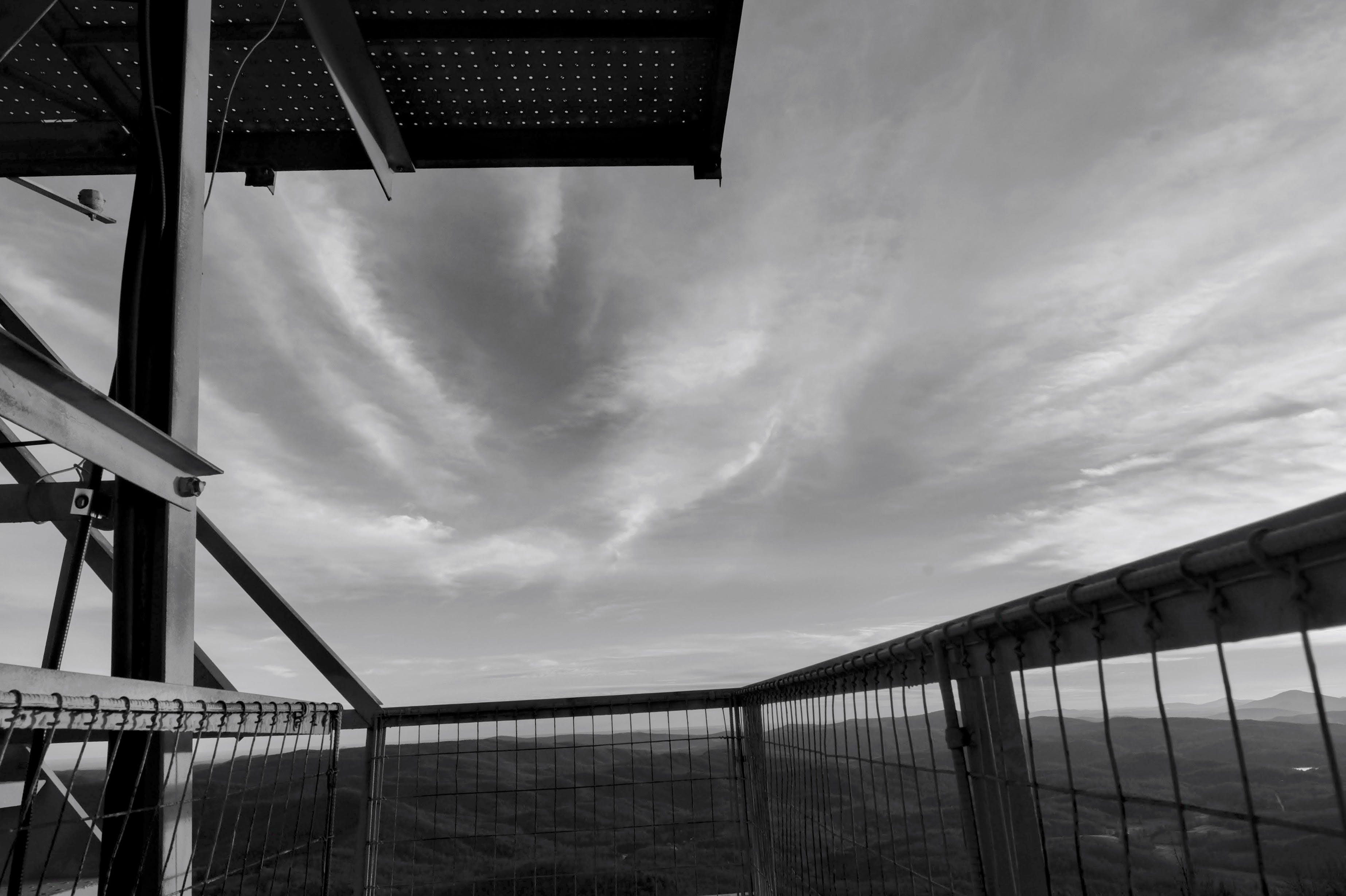
Photo Taken By Me

Fire Tower in North Carolina

Book I read this week

Think. Do. Say.: How to seize attention and build trust in a busy, busy world by Ron Tite


Found Interesting on Social Media

A post shared by @bobgoff


Podcast Worth Listening to:

https://embed.podcasts.apple.com/us/podcast/how-15-minutes-make-or-break-your-day/id1610198312?i=1000633956647


Articles that caught my eye:

Why 7-Eleven plays classical music outside its stores

How to watch this new docuseries about Lake Lanier

I Smuggled My Laptop Past the Taliban So I Could Write This Story

10 Back-To-School Traditions You’ll Only Find In The South


Something to Do in North Georgia

Visit Jaemor Farms


Make a Difference

Click Here For More Info


Weekly Blessing and/or Quotes

May you find the strength to set aside busyness and be fully present with those you love. May your heart be aligned with God’s eternal purposes, and may you find peace and fulfillment in His presence.

Mid-Week Inspiration: Wednesday, August 28, 2024

In his book “The Road to Character,”  author David Brooks presents an insightful distinction between two types of virtues: “resume virtues” and “eulogy virtues.”

Resume virtues are the skills and qualities that feature on professional resumes, such as intelligence, expertise, technical skills, and achievements. We are encouraged to focus on these traits to climb the career ladder and attain financial success. 

Eulogy virtues are the qualities people remember and cherish about us when we are no longer around: kindness, compassion, honesty, integrity, courage, and humility. 

The warning is to avoid spending so much time consumed by resume virtues that we neglect eulogy virtues. Speaking as a pastor who has given many eulogies, the qualities that define our impact on the world and the lives of others are not necessarily found on our resumes.

Pastor Jamey


Question to Consider

Reflecting on your current priorities, do you focus more on developing resume virtues or eulogy virtues? What are some specific ways you could shift your focus if needed?


Prayer

Heavenly Father, Grant us the wisdom to cultivate kindness, compassion, honesty, integrity, courage, and humility. May we strive not only for the accomplishments that fill our resumes but for the character that will be remembered long after we are gone. Amen.